


Central sensitization
Pain without injury, and central sensitization
When pain persists and the tests come back normal, central sensitization explains why the suffering is real. Here is what the evidence says.
Articles on integrated medical and psychological care, persistent somatic symptoms and the IDENTA Model, written by our clinical team.
When pain persists and the tests come back normal, central sensitization explains why the suffering is real. Here is what the evidence says.
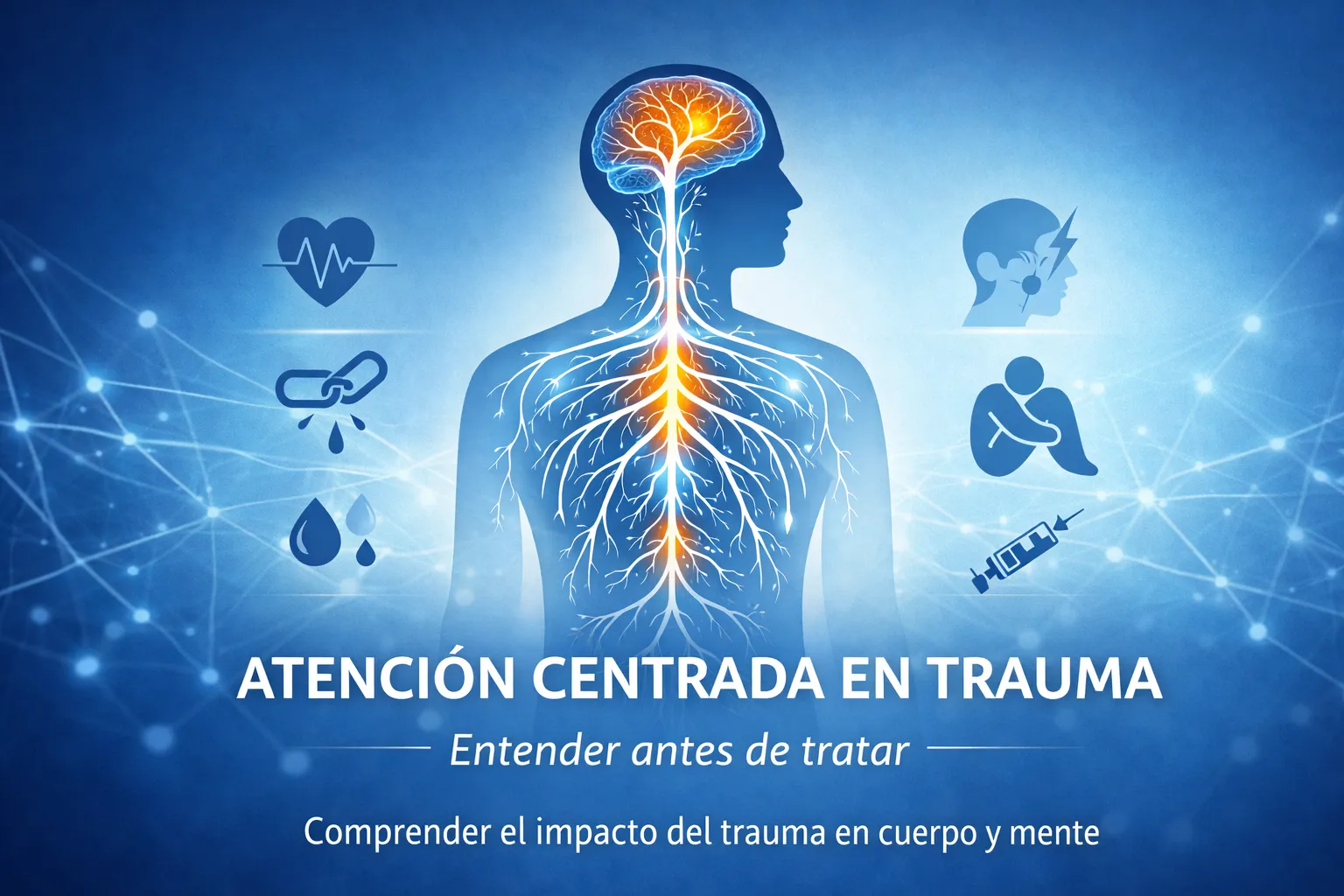
Trauma-informed care is a way of understanding the patient that recognizes how common psychological trauma is, and adapts the process of care so that it does no harm and supports recovery.

What the psycho-neuro-immuno-endocrine system is, and why chronic stress explains pain, fatigue and symptoms that never find a cause.
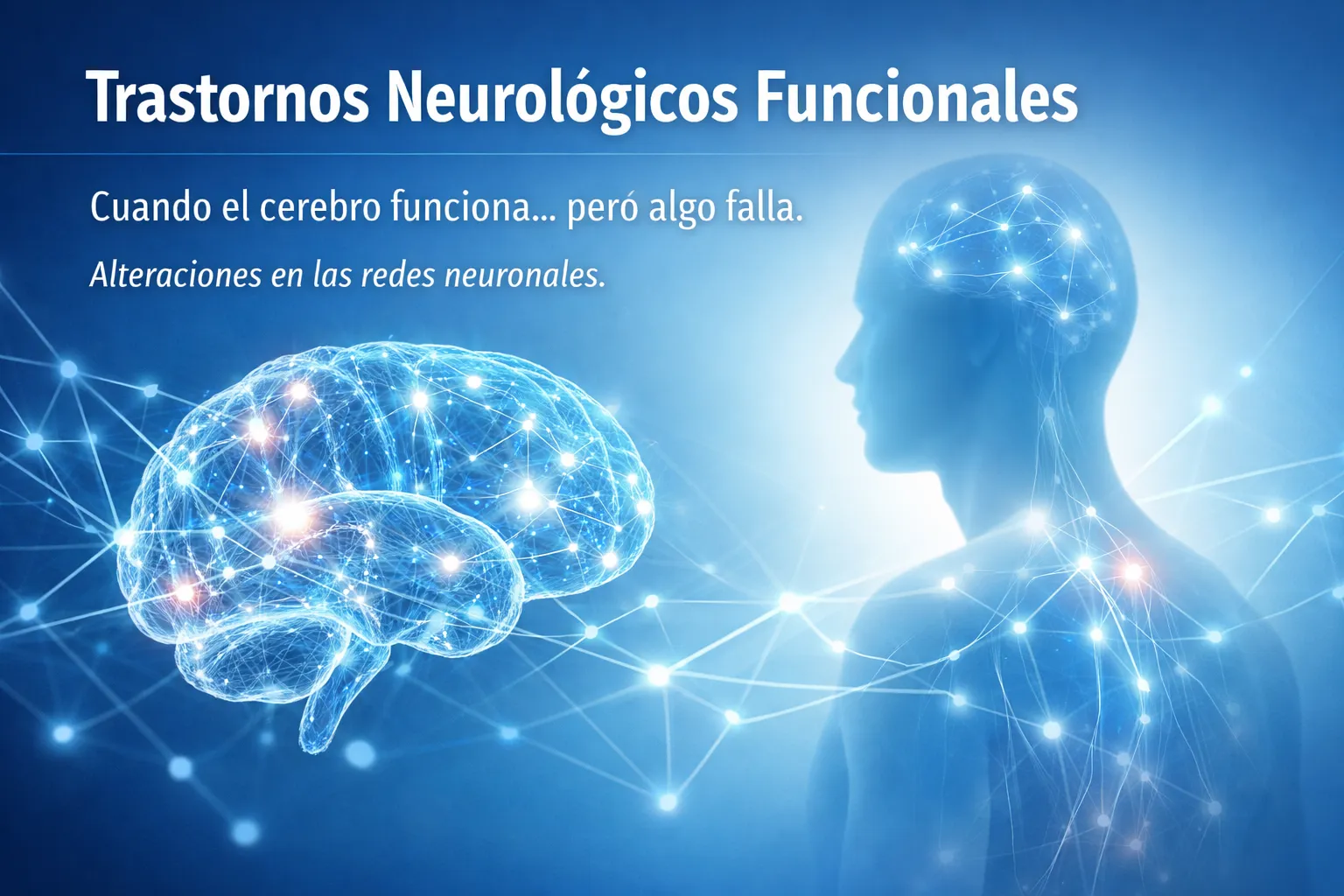
People with genuine neurological symptoms, including weakness, tremor, seizures or cognitive difficulty, whose tests show no clear structural lesion.

Non-invasive neurostimulation, including rTMS and tDCS, is an evidence-based tool that modulates brain activity through the mechanisms of neuroplasticity.
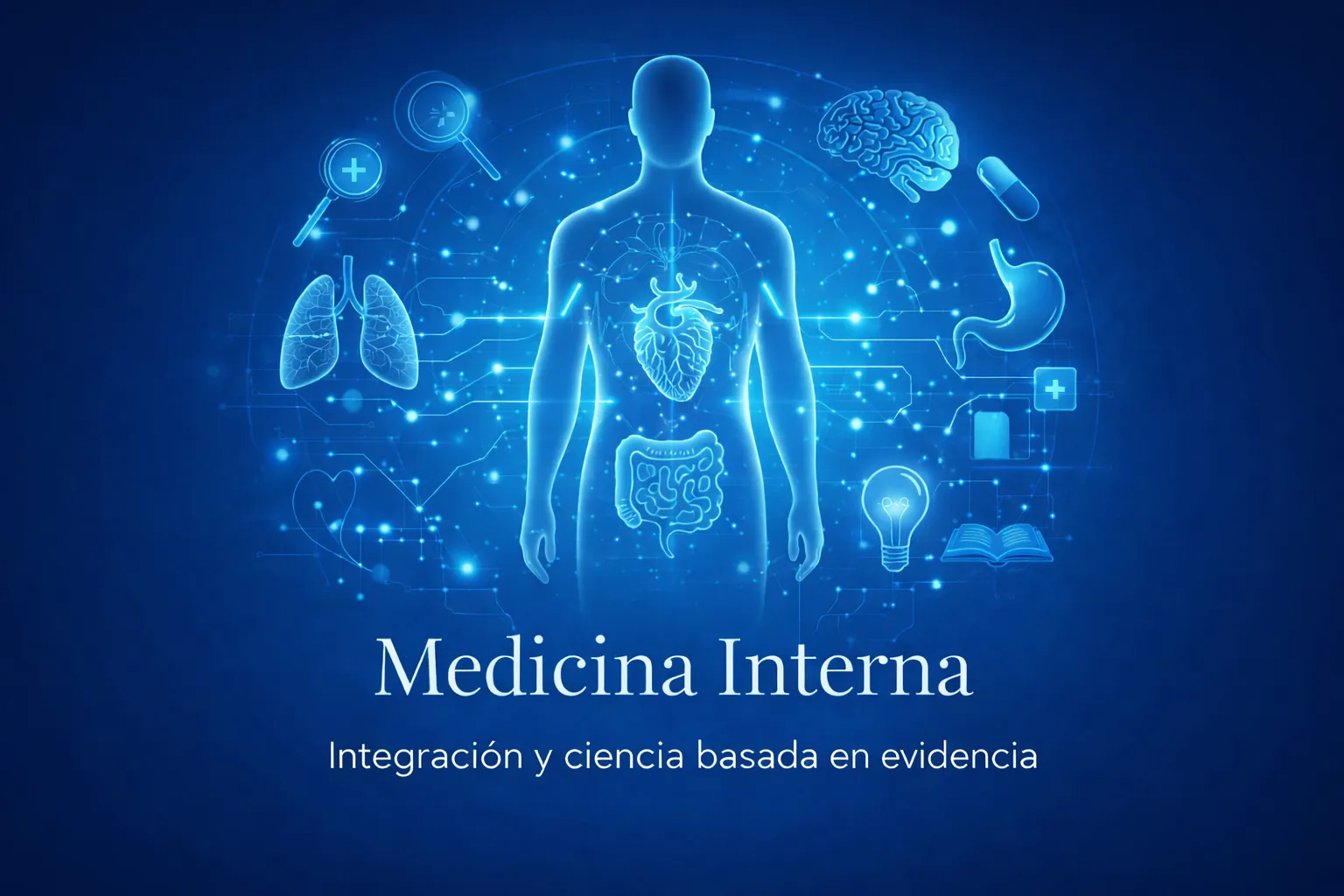
In a health system increasingly fragmented by subspecialties, internal medicine is the discipline that still looks at the whole patient.
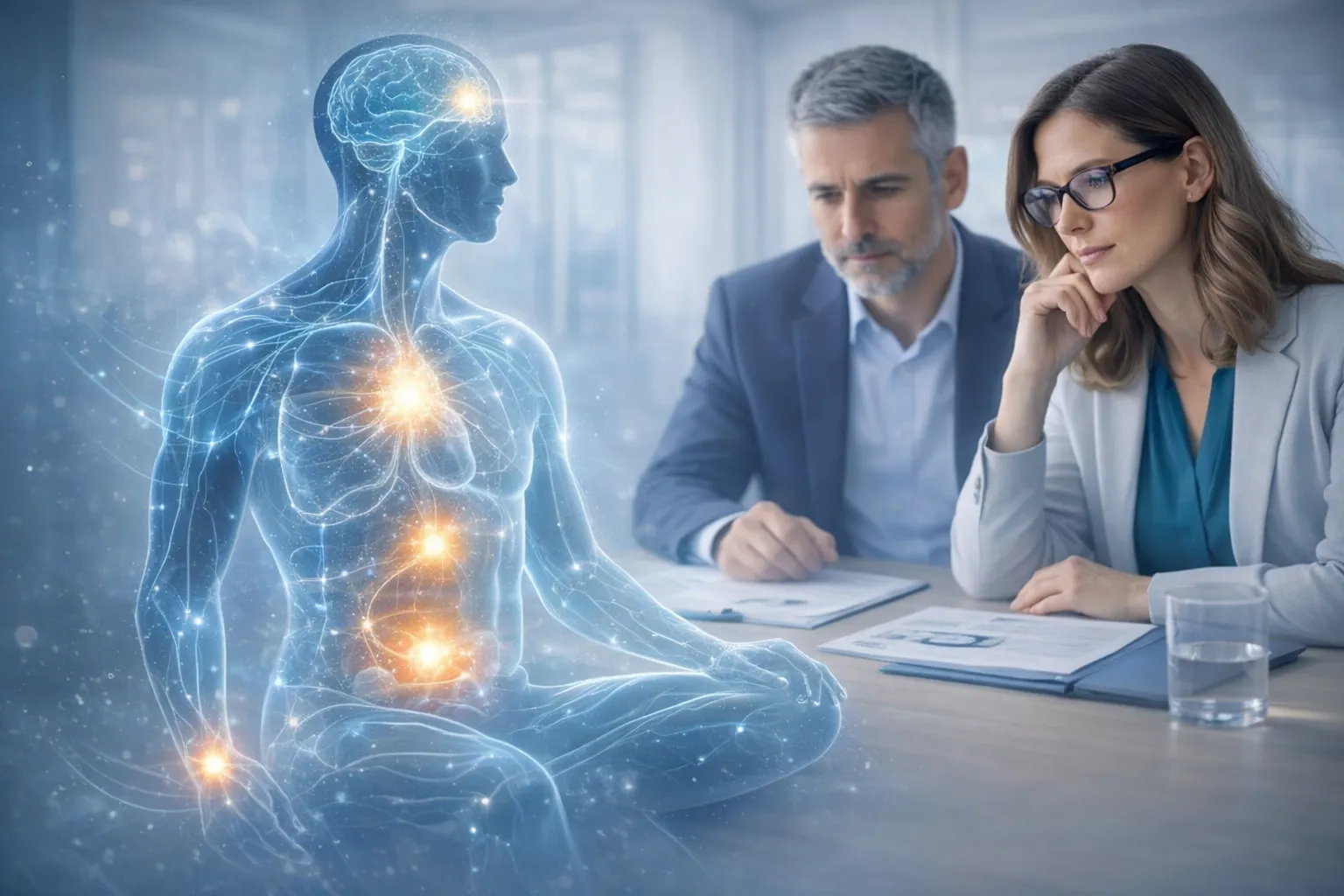
Persistent somatic symptoms are real, common and complex. Understanding their biopsychosocial origin makes it possible to treat them through integrative medicine and to recover quality of life.

What it means for a therapy to be evidence-based, how it is chosen, and why integrating it with medical care improves the treatment of persistent symptoms.